The Silent Waltz of the Many
Direction & Choreography: Francesco Vecchione
Sound Design: Jan van Triest
Stage Design: Francesco Vecchione
Lighting: Julio Escobar and Francesco Vecchione
Costume Design: Babu Noella, Leandro Fabbri and Francesco Vecchione
Text: Francesco Vecchione
Photo credit: Milan Nowoitnick Kampfer
Video credit: DeDa Productions
Performers & Co-Creators:
and a multiethnic community from Wuppertal and beyond
A Production by Francesco Vecchione
In co-production with the Pina Bausch Zentrum Under Construction and ArtGarage
Funded by NRW Kultursekretariat, Knipex and WSW.
With the special support of INSEL e.V., Tanztheater Wuppertal Pina Bausch, Färberei e.V., Cafe Ada, Dunua e.V. Tanz Station Barmen Bahnhof, SAMMA and WupperCocktail GbR
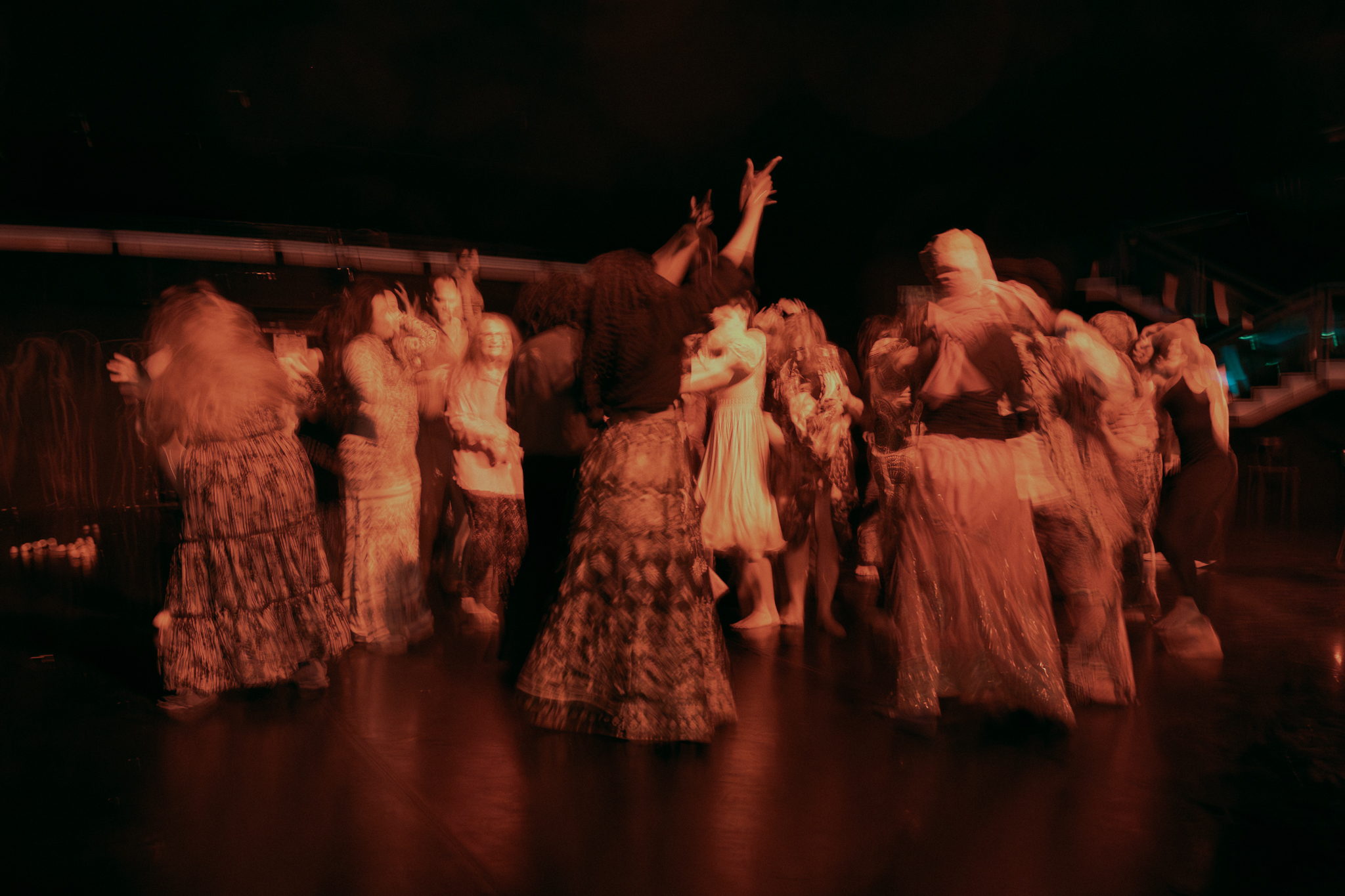
THE SILENT WALTZ OF THE MANY
Step into a city that dances with itself.
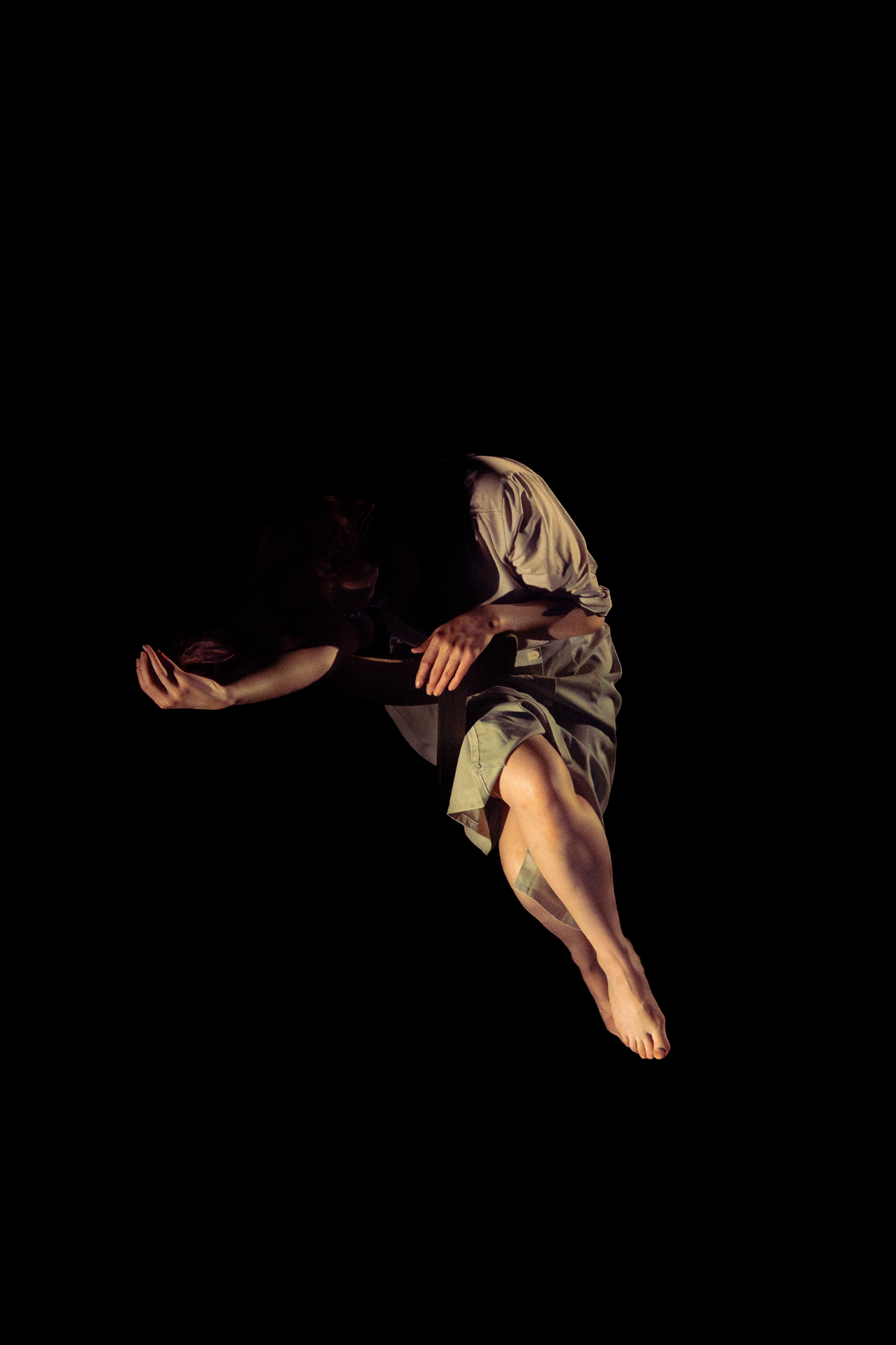
This is not a performance to be watched from a distance, but a living world built by the many… a choreography of voices, memories, gestures and stories, woven together by the people of Wuppertal and beyond.
In this new chapter, the house of the self opens its doors. The walls become permeable. The reflections multiply. What was intimate becomes collective. What was singular becomes a constellation.
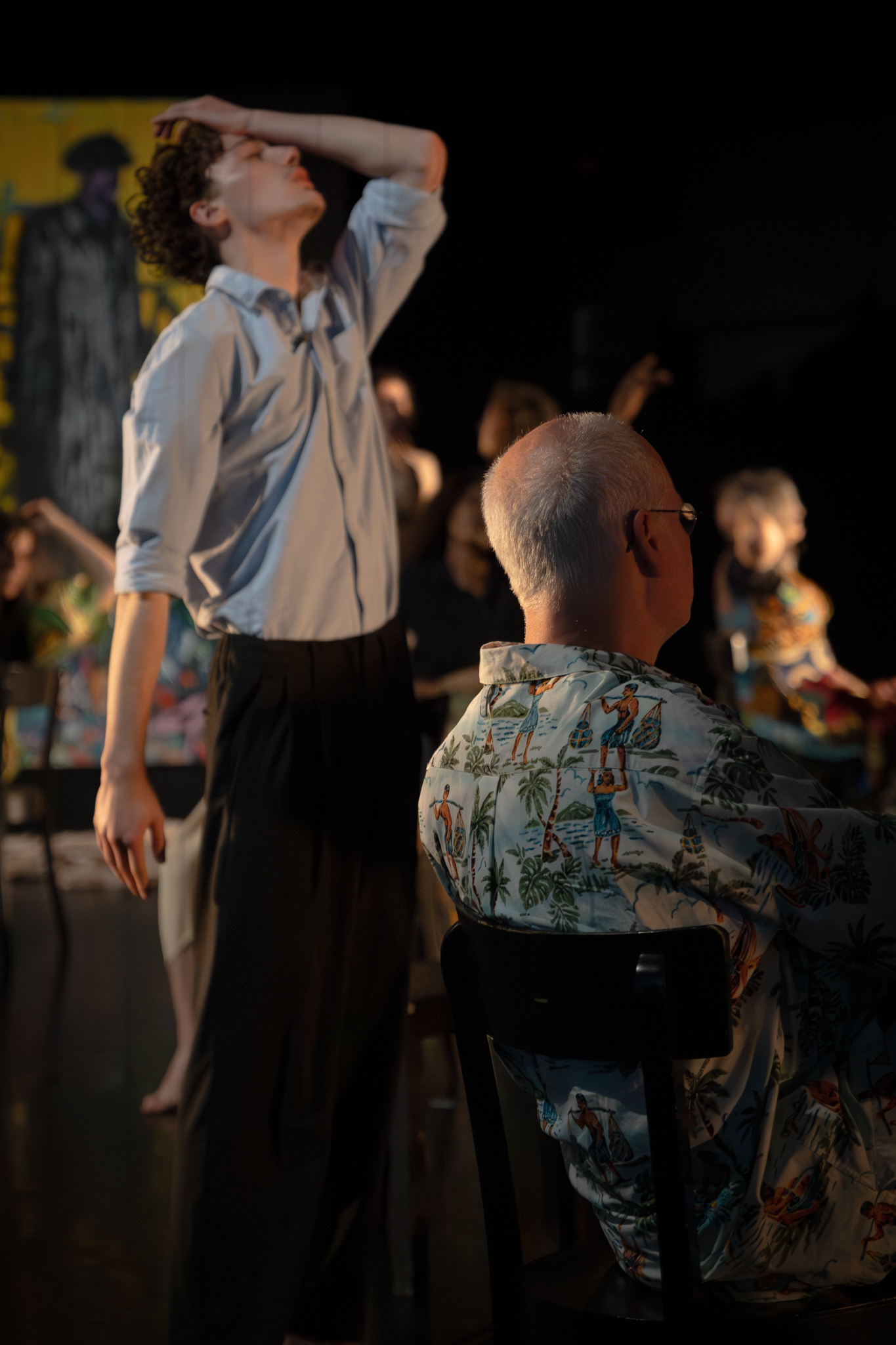
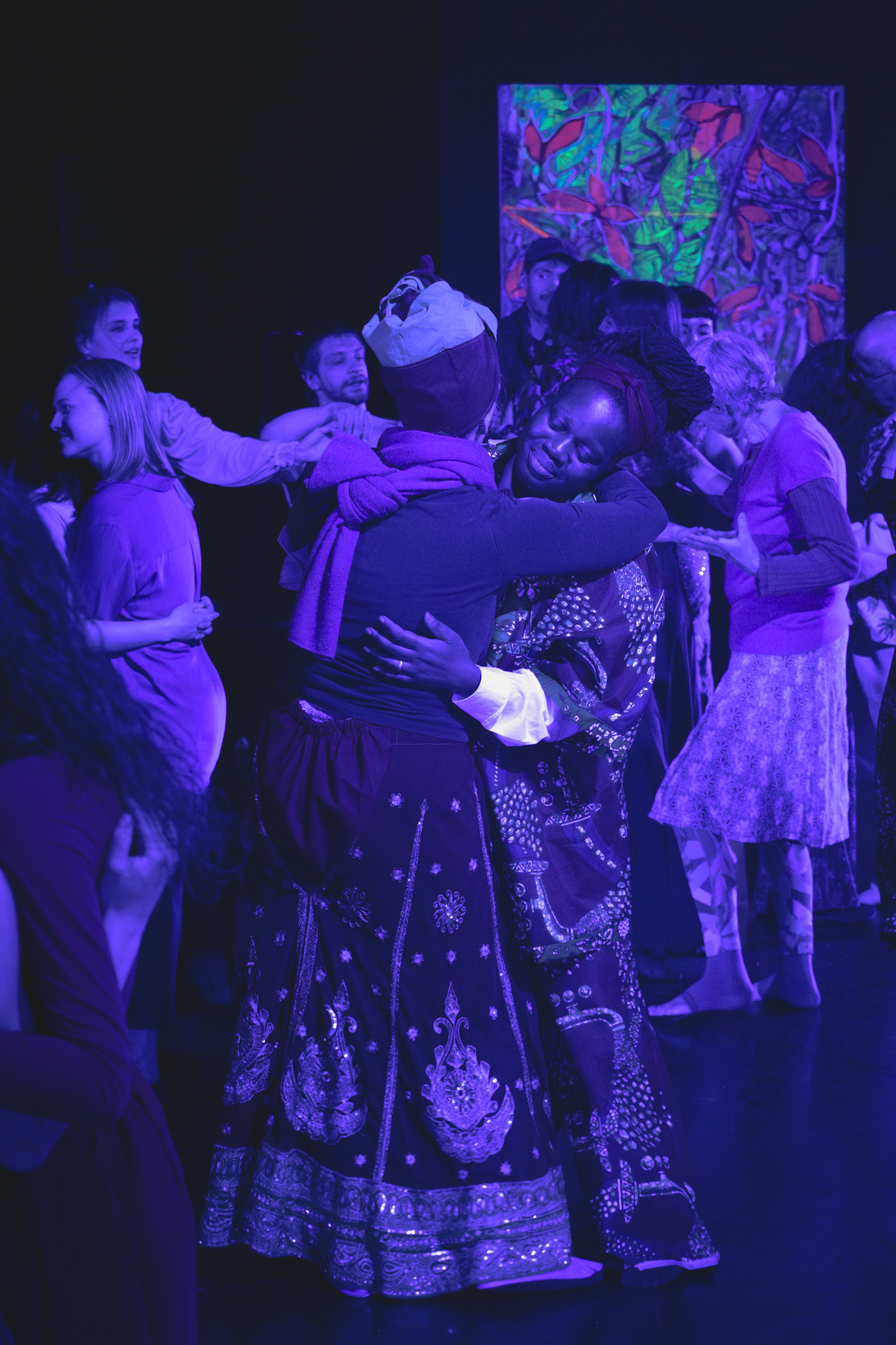
The Silent Waltz of the Many brings together professional dancers, musicians, painters, photographers and a multiethnic community of around fifty people… different generations, different languages, different histories… as equal co-authors of a shared artistic act.
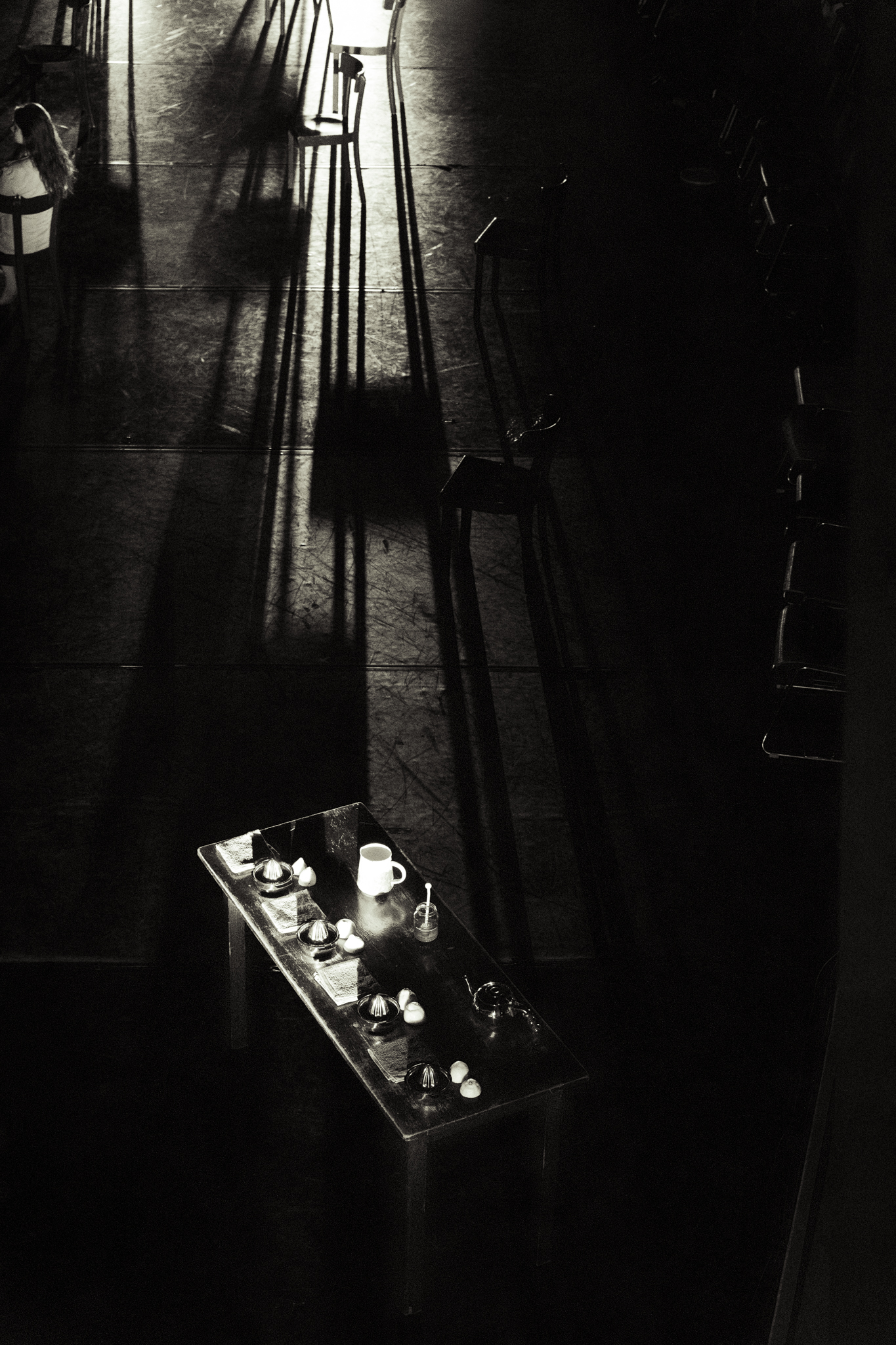
The Schauspielhaus Wuppertal (the Pina Bausch Zentrum) is reimagined as a philosophical laboratory of coexistence. The audience does not sit and watch. It moves through rooms that breathe… scented, coloured and sung by Syrian, German, Chilean, Venezuelan, African, Italian, Filipino, Iranian voices and many more. Every corridor carries a different memory. Every space holds a world that is finally, fully here.
Here, diversity is not displayed. It is embodied. It becomes movement and movement becomes meaning.
In a time when identity is so often reduced to a label, The Silent Waltz of the Many asks a different question: what happens when we stop performing for each other and begin creating together?
The city is the choreography. The many are the dance.